




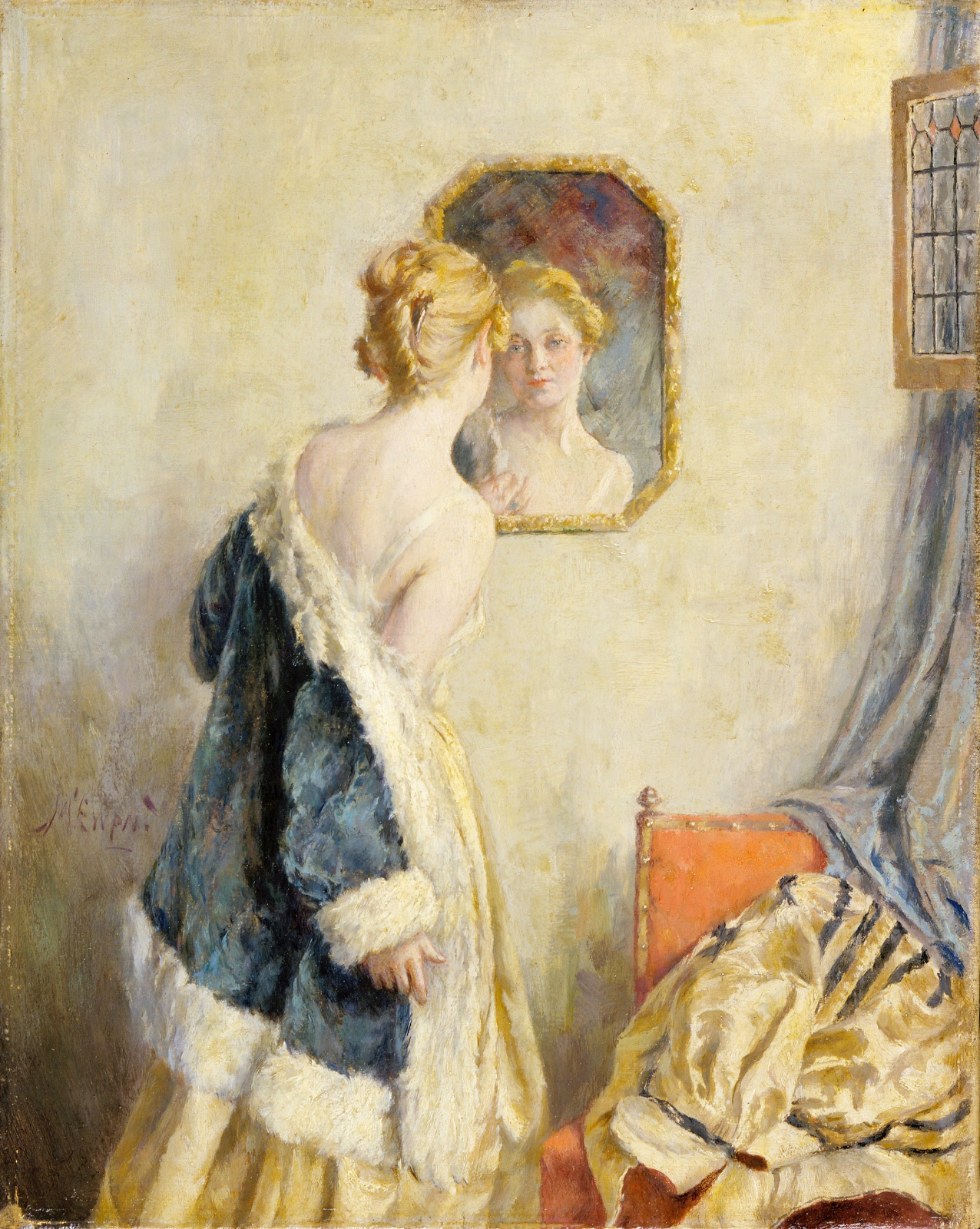
Why Do We Romanticize Looking Sick?
Picture this: You’re scrolling through Instagram, admiring influencers with their hollow cheekbones, porcelain skin, and flushed “natural” blush. Now imagine telling them they’re basically cosplaying 19th-century tuberculosis patients.
Because that’s exactly what’s happening.
Thanks to John Green’s new book, Everything is Tuberculosis, we now know that modern beauty standards—thinness, paleness, delicate features—were shaped by a disease that killed millions. And the worst part? We’re still obsessed with it.
Let’s dive into this darkly hilarious (and slightly disturbing) history.
1. The Victorian Era: When Looking Like a Ghost Was Trendy
Consumption Chic: The Original “Heroin Chic”
In the 1800s, tuberculosis (then called “consumption”) was the disease of the moment. It didn’t just kill you—it made you fashionable along the way. Symptoms included:
- Extreme thinness (wasting away = effortlessly slender)
- Pale, almost translucent skin (no tanning beds needed!)
- Rosy cheeks (courtesy of constant fever)
- A soft, melancholic cough (very romantic)
Suddenly, looking like you were one strong breeze away from death became the ultimate aesthetic.
How TB Influenced Fashion & Beauty
- Corsets tightened to restrict breathing (helpful for that consumptive wheeze).
- Face powders made women look unnaturally pale.
- Belladonna eye drops dilated pupils for that “feverish gaze.”
Even famous poets like John Keats and Edgar Allan Poe helped glamorize the look, writing odes to frail, dying beauties.
TL;DR: The Victorians turned a horrific disease into a mood board.
2. Eugenics & Racism: The Dark Side of the “Tuberculosis Aesthetic”
“Only Refined People Get TB” (Spoiler: No)
Doctors in the 1800s noticed that white urbanites were dropping like flies from TB, while Black rural populations were less affected. Their conclusion?
“Obviously, tuberculosis is a disease of the superior white race. Black people are too ‘robust’ to be so elegantly ill.”
Yes, they really believed this.
Germ Theory Ruins Everything
Then science showed up like a buzzkill and revealed:
- TB was caused by bacteria, not genetics.
- It spread in crowded, filthy cities (where white elites lived).
- Black populations were spared because they had fresh air and space.
Suddenly, the “romantic disease of the aristocracy” became “the filthy illness of the poor.”
The Takeaway: Racist pseudoscience + bad hygiene = the worst beauty trend ever.
3. Why Modern Beauty Standards Are Still Stuck in the 1800s
Thinness = Tuberculosis Lite
Today’s “ideal” body type—slender, delicate, almost fragile—is just TB chic repackaged.
- Heroin chic (1990s): Kate Moss’s “nothing tastes as good as skinny feels” was basically “consumption, but make it fashion.”
- “Clean girl” aesthetic: Dewy skin, minimal makeup, and that slightly unwell glow.
Pale Skin & Rosy Cheeks: The TB Legacy
- Blush exists to mimic a tubercular flush.
- Skin-whitening creams are a billion-dollar industry (thanks, Victorian beauty standards).
- “No-makeup makeup” = “I look like I have a slight fever” makeup.
Wellness Culture: The New Tuberculosis
- Juice cleanses = Victorian “taking the waters” at a sanatorium.
- Intermittent fasting = Voluntary wasting away (but healthy this time).
- “That girl” aesthetic = TB, but with a green smoothie.
4. How to Break Free from the Consumptive Ideal
Step 1: Recognize the Absurdity
You’re not “too big” or “too dark” or “too healthy-looking.” You’re just not conforming to a beauty standard invented by people who thought arsenic was a skincare ingredient.
Step 2: Reject the “Suffering = Beauty” Myth
- Eat the damn bread.
- Get some sun (safely).
- Stop equating thinness with virtue.
Step 3: Laugh at the Irony
Next time you see an ad for “get that effortless glow,” remember: They’re selling you tuberculosis.
Conclusion: Let’s Leave TB Beauty Standards in the Past
We’ve spent centuries fetishizing frailty, all because a deadly disease made people look tragically elegant.
But here’s the good news: We don’t have to keep doing this.
So go ahead—enjoy food, embrace your natural skin tone, and reject the idea that beauty requires suffering.
And if anyone tells you you’d look better “a little thinner” or “a little paler,” just cough dramatically into a handkerchief and walk away.
Some traditions deserve to die.