




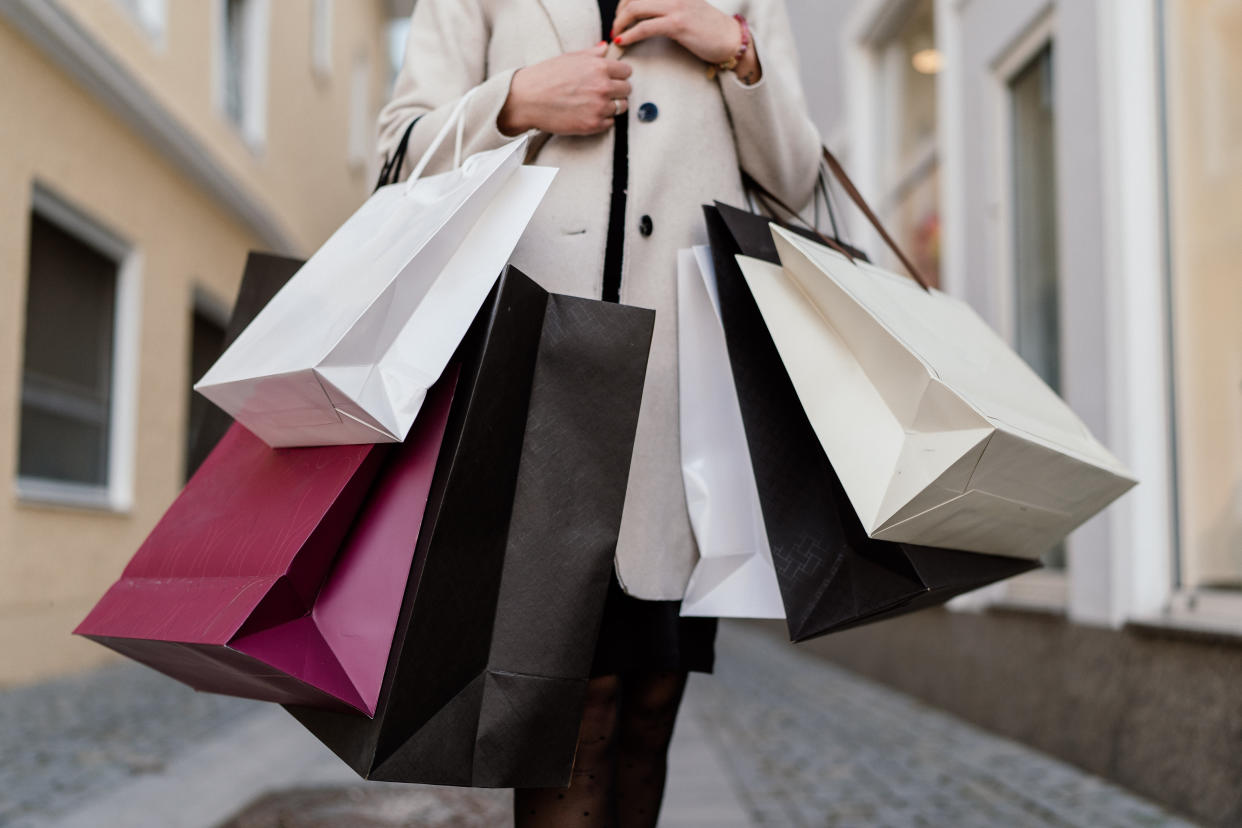
In a world dominated by instant gratification and endless online shopping, we’ve rebranded overconsumption as a twisted form of affection. We’ve confused material gifting with genuine emotional connection, and in doing so, we’ve created a culture where love is measured in boxes, bows, and price tags. But here’s the truth: overconsumption is not love. It’s a hollow substitute that’s damaging our relationships, our planet, and our children’s understanding of what love truly means.
This article dives deep into how consumerism has hijacked our emotional connections, why it’s toxic, and how we can break the cycle to prioritize real love over material gifts.
How Consumerism Has Redefined Love
Holidays like Diwali, Ramadan, and Christmas were once rooted in spirituality, gratitude, and family. Today, they’ve mutated into full-blown consumerism battlegrounds. Retailers have turned these meaningful occasions into competitions to see who can buy the most, spend the most, and show off the most.
We’re bombarded with ads showing overflowing bags of gifts, influencers flaunting landfill-bound plastic junk, and endless promotions urging us to “show your love” by clicking “buy now.” But is this really love? Or is it just another Amazon package landing on your doorstep, another item destined to gather dust or end up in a landfill?
The Toxic Lessons We’re Teaching Our Children
When we equate love with material gifts, we’re teaching our children two devastating lessons:
- Their worth is tied to what they receive.
- Affection is transactional, something that can be purchased rather than experienced.
This mindset is creating a generation that validates their worth through the number of gifts they receive or give. It’s a dangerous narrative that robs them of the opportunity to experience true connection.
Ask yourself: What do you remember most from your childhood? The toys you received or the moments you shared with your family? The gifts or the laughter, the stories, the warmth of being together? Chances are, it’s the latter. Because real love leaves a lasting imprint on the heart, not the planet.
Real Love Is Not for Sale
Real love isn’t about buying things. It’s about being present. It’s about the time you spend, the attention you give, and the deep emotional connections you nurture. Your children don’t need more landfill-bound crap that strains your credit cards every year. They need you. They need your time, your attention, and your unconditional love.
How to Break the Cycle of Overconsumption
It’s time to break the cycle and choose connection over consumption. Here’s how you can start:
1. Redefine Gift-Giving
Shift the focus from quantity to quality. Give experiences, not things. A day at the park, a homemade meal, or a heartfelt letter can mean far more than a store-bought item.
2. Teach Values, Not Consumerism
Help your children understand that their worth is not tied to material possessions. Encourage gratitude, empathy, and the joy of giving without expecting anything in return.
3. Celebrate Meaningfully
Reclaim the essence of your holidays. Focus on traditions, togetherness, and the values that truly matter. Let go of the pressure to keep up with the consumerist frenzy.
4. Lead by Example
Show your children that love is about time, effort, and emotional connection. Let them see you prioritize relationships over things.
A Call to Action: Choose Connection Over Consumption
Overconsumption is not love. It’s a societal trap, a false narrative that leaves us emptier than we started. But we have the power to change the story. We can choose to redefine love, to prioritize connection over consumption, and to teach our children that their worth is not measured by what they have, but by who they are.
This holiday season, and every day after, let’s choose love in its purest form. Let’s give our time, our attention, and our hearts. Because real love doesn’t come in a box—it’s found in the moments we share, the connections we nurture, and the legacy we leave behind.
Related Reads:
- How Minimalism Can Improve Your Mental Health
- The Psychology of Consumerism: Why We Buy More Than We Need
External Resources: