




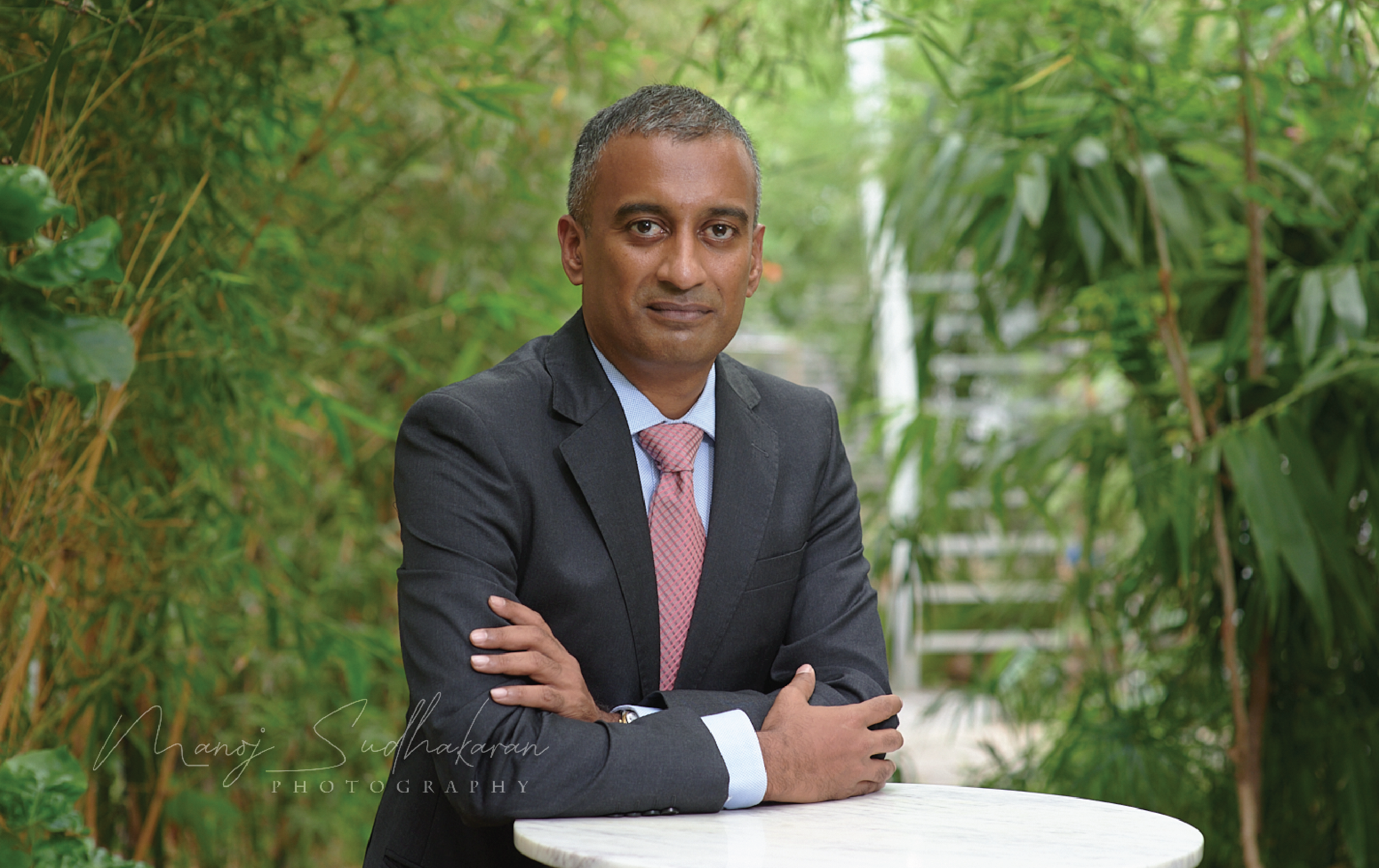
The National Law School of India University (NLSIU), Bengaluru has managed to top the law institutions category for the sixth time in a row in the National Institutional Ranking Framework results 2023. However, Prof. Sudhir Krishnaswamy believes that law school can be globally competitive with the right kind of support from the state government and the central government. In an exclusive interaction with The Indian Express, Krishnaswamy talks about the NIRF rankings and challenges unique to the law school that is impeding its expansion plans.
What are your thoughts on NLSIU retaining the top spot in the law institution category for the sixth time in the NIRF results?
We have managed to retain this ranking despite undergoing radical transformation. It is a challenging task to change an institution while maintaining strong processes and outcomes. However, we have worked hard to achieve this. We are implementing rapid changes and improvements in multiple areas simultaneously.
What efforts is NLSIU undertaking to make the institution more globally competitive?
We are already taking several measures to achieve this goal. We have recruited faculty members from the world’s top 20 universities, representing diverse disciplines such as sociology, history, and economics. These faculty members engage in high-level research and publications. Additionally, our student selection process is highly competitive, and our graduates perform exceptionally well. We have always focused on the faculty profile and reputation, and now we are further emphasising this aspect. I believe that the positive impact seen in the NIRF rankings will also reflect in global rankings.
What challenges does NLSIU face in becoming globally competitive and improving research performance?
There are several challenges unique to our law school. Firstly, as a public university, we cannot charge high fees like private institutions. Despite this, we are expected to surpass them in quality and compete while charging significantly lower fees. Achieving this can only happen with adequate support from either the state government or the central government. We hope they will provide the necessary support, although our current support levels are quite low. We receive some modest support for which we are grateful, but it is insufficient in terms of funding, infrastructure, and resources. We are expanding our student body and faculty, and we have requested land from the Karnataka state government, which has been pending for two years. Another significant challenge is the need for substantial research budgets to become a highly research-active and productive university. While we are actively seeking resources through private philanthropy and research collaborations, our budgets are currently a small fraction compared to globally competitive law schools. Research is resource-intensive work, and acquiring adequate resources remains a challenge. We are doing our best with the available resources, and I believe we have made remarkable progress. Lastly, achieving a certain scale is crucial for global competitiveness. Institutions like Harvard admit a large number of students in each batch, which contributes to their scale and global standing. We are also growing to achieve this scale, but it requires resources for infrastructure development, such as classrooms, hostels, and faculty housing. These capital-intensive investments are essential for our transformation and expansion. Once we receive the necessary support from the government, we will be able to make this transformation possible.
National Law Universities are established with a national orientation. However, NLSIU has actively contributed to the government of Karnataka in various ways, including research. Our research contributions in Karnataka are significant, surpassing those of any other law college in the state. I do not see this as a national versus local issue. When you build strong universities, they contribute at all levels, nationally and locally.
Courtesy : The Indian Express