
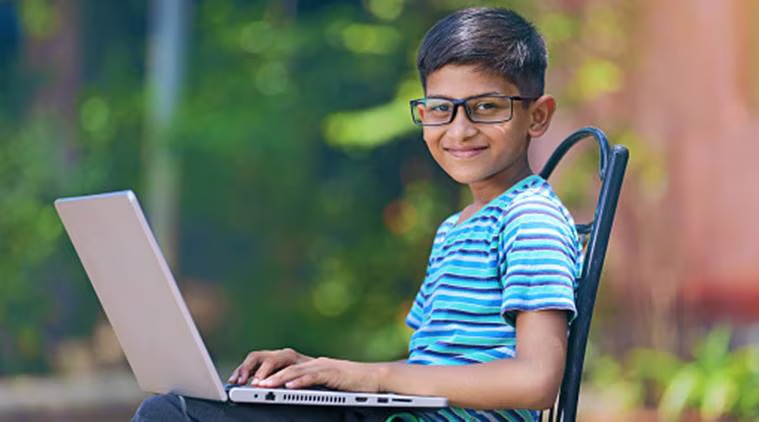
The Blurry Vision Epidemic: What’s Really Happening to Kids’ Eyes?
If you’ve noticed more kids squinting at whiteboards or wearing glasses than ever before, you’re not imagining things. Nearly half of the world’s children now have myopia (nearsightedness), and in some countries, over 90% of kids struggle with blurry distance vision. But why?
For years, we blamed smartphones and tablets, but new research reveals a surprising culprit—one that’s easier (and funnier) to fix than you might think.
How Eyeballs Are Supposed to Work
Babies start with short, stubby eyeballs, but as they grow, their eyes elongate. By around age six, they typically reach the perfect length—allowing the lens to focus light directly on the retina for crisp, clear vision.
At this point, the brain sends a stop-signal hormone to the eyeballs, saying: “Okay, that’s enough. No more growing!”
But in recent decades, something went wrong.
The Great Eyeball Rebellion: Why Kids’ Eyes Won’t Stop Growing
Instead of stopping at the ideal length, many kids’ eyeballs keep stretching, like overinflated balloons. This means:
- Light focuses in front of the retina instead of directly on it.
- Distant objects look blurry, while close-up stuff stays clear.
- The result? Myopia (nearsightedness) at record levels.
Wait, So It’s Not Because of Screens?
Nope! Scientists once thought too much screen time was the problem—that kids’ eyes were adapting to close-up work. But studies now show:


The Sunlight Solution: Why Going Outside Saves Kids’ Vision
Here’s the hilarious (and slightly ironic) truth:

In other words: Kids aren’t going blind from TikTok—they’re going blind from staying indoors!
The Science Behind Sunlight and Eyesight
Sunlight plays a crucial role in eye development because it stimulates the release of dopamine in the retina. Dopamine acts as a natural stop signal, preventing the excessive elongation of the eyeball. Without enough dopamine, the eyes continue to grow, leading to myopia.
Research has shown that children who spend at least 2 hours outside daily have significantly lower rates of nearsightedness compared to those who stay indoors. Even if a child still uses screens, regular exposure to natural light can offset some of the negative effects of prolonged near work.
How Much Sunlight Is Enough?
Experts recommend a minimum of 2 hours per day of outdoor time for optimal eye health. This can be broken up into short sessions throughout the day, such as:
- 30 minutes of morning play before school
- An hour of outdoor activities after school
- Short outdoor breaks during weekends and vacations
How to Prevent Myopia (Without Throwing Away the iPad)
The fix is simple, free, and doesn’t require ditching screens:
- Get 2+ Hours of Outdoor Light Daily – Even on cloudy days, natural light helps.
- Balance Screen Time with Outside Time – Watch YouTube… in the backyard.
- Encourage Outdoor Play – Sports, walks, or just sitting in the sun helps.
- Use Breaks Wisely – Follow the 20-20-20 rule: Every 20 minutes of screen time, look 20 feet away for 20 seconds.
- Invest in Good Lighting – If your child studies or plays indoors, make sure the room is well-lit with natural or bright artificial light.
- Regular Eye Checkups – Early detection of vision problems can help manage myopia progression.
Bonus Benefit?
Sunlight also boosts mood, sleep, and Vitamin D—so it’s a win-win-win.
Final Verdict: The Future of Kids’ Vision
If we don’t act, the next generation might need binoculars to see a stop sign. But the solution isn’t complicated:
More sunlight = healthier eyeballs.
So parents, send those kids outside! (And if they must watch cartoons, at least make them do it on the porch.)
Further Reading & Resources

Now go forth and save some eyeballs! 


