
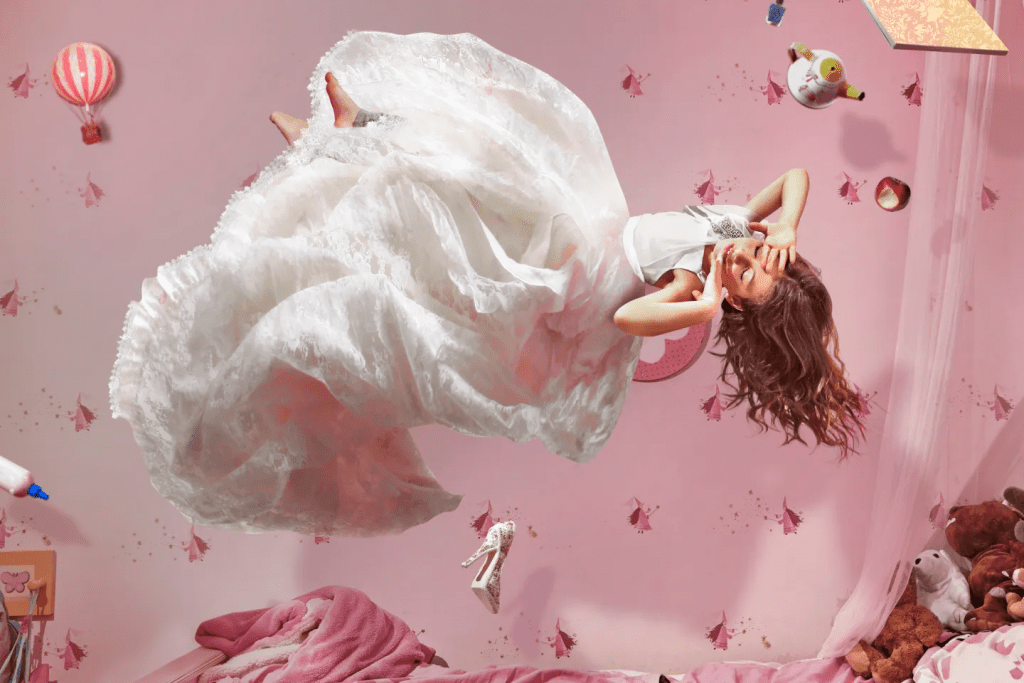
In the whirlwind of social media trends, the rise of the Soft Girl aesthetic, Cottage Core, and the Coquette movement has taken over our feeds, our wardrobes, and our Pinterest boards. From blush-toned minimalism to frilly bows and pastoral daydreams, these trends are undeniably gorgeous—but are they also a little too good to be true? As brands, influencers, and even pop culture icons lean into hyper-feminine ideals, a growing number of people are asking: Is this just about looking cute, or are we being subtly sold a side of conservative values wrapped in a bow of quiet luxury?
Let’s unpack the drama, decode the trends, and figure out if your love for lace and neutrals might have you accidentally dipping a toe into the right-wing pipeline. Spoiler alert: It’s not all sunshine and sourdough.
The Soft Girl Aesthetic: Aesthetic or Agenda?
First, let’s break it down. The Soft Girl aesthetic is all about embracing ultra-femininity: think pastel palettes, pearl accessories, and a vibe that whispers, “I woke up like this, but also I spent three hours curling my hair.” Then there’s Cottage Core, the dreamy, pastoral trend that has us all baking artisanal bread, frolicking in meadows, and pretending we live in a Jane Austen novel. And don’t forget Coquette, the flirtatious, bow-adorned trend that’s equal parts Lana Del Rey and your middle school ballet recital.
On the surface, the Soft Girl aesthetic is harmless—even fun! Who doesn’t want to feel like a delicate flower or a romantic heroine? But as these aesthetics gain traction, they’re increasingly being co-opted by brands and creators who pair them with traditional, conservative values. Suddenly, your love for neutral tones and vintage tea sets might be serving a side of “women belong in the kitchen” ideology. Yikes.
The Trad-Wife Pipeline: Pretty Packaging, Problematic Messaging
Enter the Trad-Wife (short for traditional wife) movement, which glorifies the idea of women as homemakers, nurturers, and, well, not much else. Think Ballerina Farm’s Nara Smith, who somehow manages to churn out artisanal bread while homeschooling her eight children and looking like she just stepped out of a Laura Ingalls Wilder novel. While there’s nothing inherently wrong with choosing a domestic lifestyle, the Trad-Wife movement often pushes it as the only valid choice for women—and that’s where things get sticky.
These ideals are sneakily packaged in aesthetically pleasing content: a perfectly curated kitchen, a minimalist wardrobe, or a serene countryside home. It’s easy to scroll past a video of someone kneading dough and think, “Wow, that’s so peaceful,” without realizing the underlying message might be, “This is what women should be doing.” And let’s be real, if your feed is full of clean-girl aesthetics and quiet luxury, you might be consuming more conservative ideology than you realize.
Pop Culture’s Role in the Feminine Resurgence
Of course, pop culture hasn’t missed the boat on this trend. The Kardashians, ever the trendsetters, hopped on the minimalism train years ago, trading their neon athleisure for beige everything. Now, they’re dipping their perfectly manicured toes into the Coquette trend, because nothing says “I’m a delicate flower” like a $5,000 handbag.
Then there’s Lana Del Rey, the queen of romanticizing problematic ideals. While she claims her music is satirical, her fanbase includes a surprising number of right-wing followers who seem to miss the irony. If your satire is being taken at face value by the very people you’re supposedly mocking, is it even satire? (Asking for a friend.)
But not all hope is lost! Enter Sabrina Carpenter, who’s taking these ultra-feminine aesthetics and turning them on their head. Her music and style are frilly, fun, and unabashedly scandalous—much to the dismay of conservative audiences. By co-opting these trends and using them to push back against traditional values, Carpenter is giving us a masterclass in how to reclaim femininity on your own terms.
Why Should You Care? The Bigger Picture
At first glance, the Soft Girl aesthetic seems harmless—even empowering. After all, there’s nothing wrong with wanting to feel pretty, feminine, or like you’ve just stepped out of a Bridgerton episode. But the problem arises when these aesthetics are used to push a narrow, conservative agenda that limits women’s roles and choices.
The Soft Girl aesthetic, Cottage Core, and Coquette trends are often marketed as a return to simplicity, but they can also reinforce outdated gender norms. When brands and influencers promote these ideals, they’re not just selling a look—they’re selling a lifestyle. And that lifestyle often comes with a side of traditional values that don’t leave much room for women who want more than a life of baking and bow-tying.
How to Enjoy the Soft Girl Aesthetic Without Falling Into the Pipeline
So, how do you navigate these trends without accidentally subscribing to a conservative agenda? Here are a few tips:
- Be Mindful of What You’re Consuming: Ask yourself why you’re drawn to the Soft Girl aesthetic. Is it because you genuinely love the vibe, or because you’ve been subtly convinced that a simpler, more “traditional” life is the answer to all your problems?
- Diversify Your Feed: Follow creators who embrace femininity in all its forms—whether that’s frilly dresses or power suits. Balance your Cottage Core dreams with content that celebrates women in leadership, STEM, and other non-traditional roles.
- Reclaim the Trends: Take a page out of Sabrina Carpenter’s book and use the Soft Girl aesthetic to push back against traditional values. Wear the bows, bake the bread, and frolic in the meadows—but do it on your own terms.
The Bottom Line: Femininity on Your Own Terms
At the end of the day, trends come and go, but your values are here to stay. The Soft Girl aesthetic, Cottage Core, and Coquette trends can be fun, empowering, and even liberating—but only if you’re embracing them for you, not because some algorithm (or influencer) told you to.
So go ahead and wear the bows, bake the bread, and frolic in the meadows. Just make sure you’re doing it because it brings you joy, not because it fits someone else’s idea of what a woman should be. And if anyone tries to tell you that your worth is tied to how well you can pull off a Coquette aesthetic, feel free to hit them with a perfectly timed Sabrina Carpenter lyric and keep it moving.
After all, being a girl is fun—but being a girl who thinks for herself? That’s the real trend worth following. 


Internal Links:
- The Rise of Feminine Aesthetics in Digital Culture – Exploring how social media shapes modern beauty and fashion trends.
- How Social Media Algorithms Influence Fashion Trends – Understanding how platforms push aesthetics like Soft Girl and Cottage Core.
- Breaking Gender Norms in Fashion: A Modern Take – Discussing fashion as a tool for empowerment beyond traditional roles.
- The Impact of Aesthetics on Women’s Identity – Analyzing how fashion influences self-perception and societal roles.
- The Evolution of Hyper-Femininity in Pop Culture – Tracing the history of feminine aesthetics from old Hollywood to TikTok.
External Links:
- The Guardian – The Feminine Aesthetic and its Social Implications – Examining the deeper meanings behind modern femininity trends.
- Harper’s Bazaar – Coquette Aesthetic: Harmless or Harmful? – A critical look at the rising Coquette trend.
- Psychology Today – The Psychology Behind Viral Aesthetic Trends – Why we’re drawn to certain aesthetics and what they reveal about us.
- Vogue – The Soft Girl Era: Fashion or Feminist Regression? – Weighing the pros and cons of hyper-feminine aesthetics.
- BBC – Social Media’s Role in Shaping Fashion Trends – Investigating how platforms like TikTok and Instagram drive style trends.


